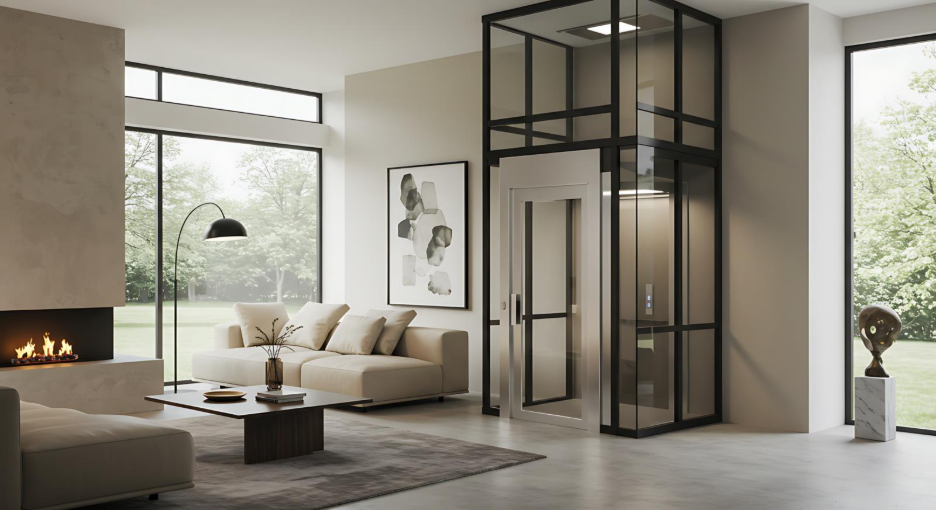
Home design is full of decisions that feel straightforward until you’re the one making them. An elevator is one of those decisions. At first glance, it seems simple: choose a model, schedule an installation, and consider the convenience handled. But anyone who has spent time around construction, architecture, or long-term home planning knows that elevators behave less like interchangeable appliances and more like structural commitments. They shape the flow of the home, influence space planning, and - when chosen wisely - quietly elevate the experience of living there.
Choosing among the many types of residential elevators isn’t complicated; it simply demands clarity. Clarity about your space. Clarity about your needs. And clarity about the technology that actually supports daily use. That’s where most homeowners feel the gap: plenty of information exists, but not enough guidance that explains elevator systems in a way that is both practical and grounded.
Over many years of reliable service, hydraulic systems have earned their name for dependability. The cab of these elevators is moved up and down by a piston that is driven by hydraulic fluid. The mechanism focuses on smooth action, low vibration, and a level of durability that works well in long-term residential settings.
Hydraulic residential elevators tend to require a machine room, so they fit best in homes with dedicated space for the equipment. When the layout allows it, the payoff is an installation known for its smooth operation and strong long-term service history. Homeowners who prioritize comfort, longevity, and low noise often find hydraulic systems to be a strong match.
Their performance is reliable, their upkeep is easy, and they leave a predictable footprint. All of these qualities appeal to homeowners who like infrastructure that works quietly in the background.
Traction elevators use steel ropes and a counterweight system instead of hydraulic ones, which is more current and better for the environment. They can go faster while staying very stable, which makes them a good choice for homes with more than one floor or a vertical plan that needs to move things around quickly.
One good thing about traction lifts is that they are flexible. A lot of models don't need a machine room, which means that architects and builders can fit the system into areas that are tight or have odd shapes. The counterweight design of these residential elevators makes them good for people who care about the environment because it lowers the amount of power needed to move the cab.
In homes where vertical travel is frequent, such as multigenerational households or residences designed around height rather than width, traction systems often deliver both convenience and efficiency without compromising comfort.
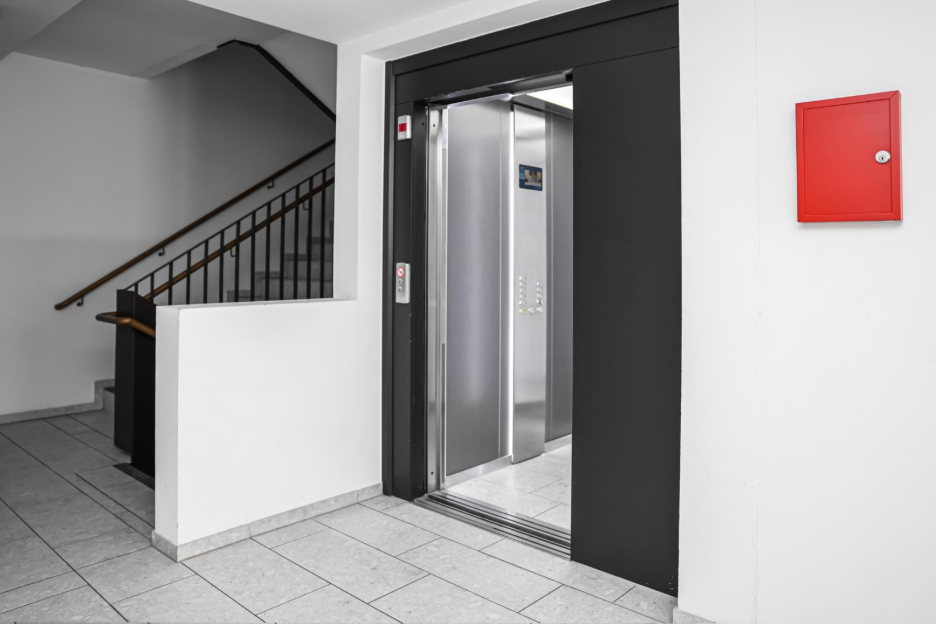
MRL lifts work a lot like traction systems, but they don't need a separate machine room. With this one change, an elevator can go a lot further inside a house. This adaptability can help builders who are working with small spaces or fixing up older buildings decide if adding an elevator is even possible.
Because the machinery in MRL residential elevators is integrated into the hoistway, homeowners gain the advantage of a full-scale elevator system without dedicating extra square footage to equipment housing.
MRL elevators have become increasingly popular as homeowners seek accessibility upgrades that don’t disrupt the flow of the home or require extensive structural changes.
The cab moves through a clear vertical tube with the help of air pressure in a pneumatic lift. They have a unique building presence - they are sleek, modern, and easy to spot. Besides how they look, their main benefit is that they leave less of a mark.
Because these elevators don't need pits, machine rooms, or big structural changes, they are a great choice for homes that are already built and where traditional construction might cause problems.
Choosing the right elevator depends less on the system itself and more on how your home is built or how you plan to build it. Here’s the practical way to think about it:
Selecting among these options becomes even easier once you consider how often the elevator will be used, how many floors it will serve, and how much structural modification you’re comfortable making during installation.
There is a lot more to picking out a home lift than just picking out a mechanical system. It is a choice about how to design something, how it works, and how to invest in the long run for ease of use, accessibility, and quality of life.
Whether the goal is architectural harmony, efficient movement, or long-term planning, today’s range of residential elevators ensures there is a solution tailored to every kind of space, structure, and lifestyle.