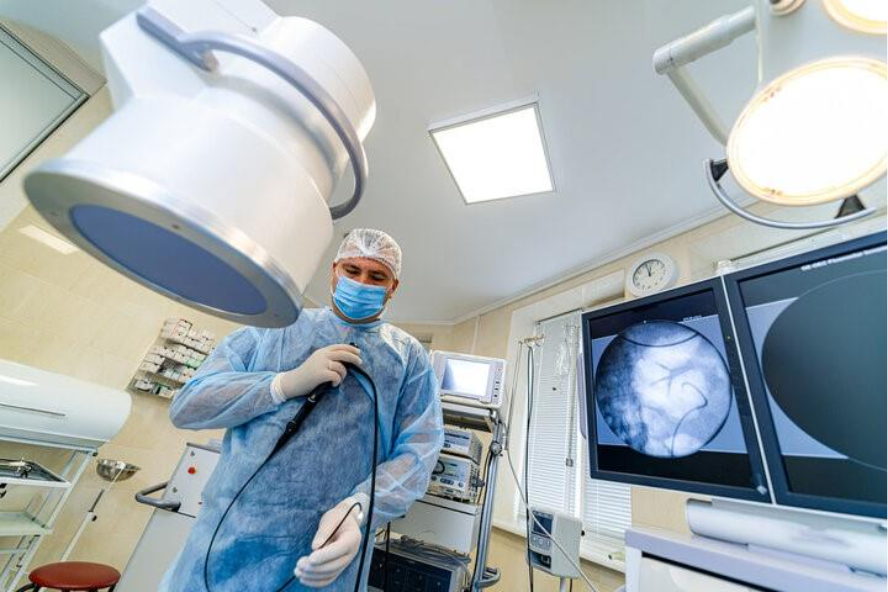
When most people hear the term “colonoscopy,” they think of it as a distant obligation - something to be scheduled “someday,” often pushed to the bottom of a long list of health priorities. But those who’ve experienced gastrointestinal discomfort, unexplained fatigue, or years of digestive uncertainty know this: waiting doesn’t make things easier. In fact, postponing early GI screening often means trading peace of mind for preventable complications.
In actuality, gut health has a significant impact on how well we live in addition to determining how long we live. Appropriate digestion and absorption of nutrients are essential for all bodily systems. Your immunity, energy, and focus all suffer when your gut is having problems. Early GI screening - including a routine colonoscopy - isn’t just about catching disease early; it’s about preserving the daily comfort, confidence, and vitality that make life enjoyable.
Your digestive system is a storyteller. It records the effects of diet, stress, age, and genetics long before visible symptoms appear. When physicians perform a screening, they’re reading that story in real time - looking for the earliest signs of trouble before they turn into life-altering conditions.
A colonoscopy allows doctors to visualize the inner lining of your colon and rectum, spotting abnormalities such as inflammation, polyps, or small bleeding points that often go unnoticed. Most precancerous polyps grow silently and painlessly. Detecting and removing them early prevents what could become an emergency years down the line. The irony is that the procedure people often delay out of fear or inconvenience is the very one that can eliminate the need for future surgery, chemotherapy, or long-term discomfort.
It's a common misperception that screening is done to detect cancer. Actually, the goal is to completely avoid it. It takes time for colon cancer to develop; it starts as benign growths that, if detected early, are entirely curable. Regular screenings can lower the death rate from colon cancer by up to 70%, according to numerous studies. Not only is that a remarkable figure, but it also shows that prevention remains medicine's greatest achievement.
But early GI screening goes beyond cancer prevention. It identifies chronic conditions like Crohn’s disease, ulcerative colitis, and diverticulosis - each of which can significantly affect lifestyle if left unmanaged. The goal isn’t simply to detect illness; it’s to preserve the body’s rhythm before disease disrupts it.
Clarity is something that patients who undergo routine GI exams frequently mention but which is not evident in clinical outcomes. It relieves an unseen burden to know that your digestive system is doing well. It gives you back control over your health and your decision-making abilities. Your appetite, mood, and energy levels all improve as a result of that confidence.
It’s easy to underestimate the psychological toll of ignoring symptoms or skipping check-ups. Unexplained digestive discomfort often leads to restrictive diets, anxiety around meals, and constant second-guessing. Early screenings provide answers, sometimes as simple as reassurance, other times as early intervention, but always the kind that lets you move forward with certainty.
For many, hesitation stems from outdated notions about discomfort or preparation. In truth, advancements in screening have made the colonoscopy experience far more patient-friendly. Sedation keeps patients comfortable, preparation protocols are easier to follow, and the entire procedure often takes less than an hour.
More importantly, the value of these 45 minutes far outweighs the inconvenience of preparation. Within that short window, specialists gain a complete view of a patient’s lower gastrointestinal health - a perspective no other test can provide. That precision is what transforms preventive care into an investment in quality of life.
Gastrointestinal care is a fantastic example of how healthcare is changing from reactive to proactive. That change is embodied in early GI screening, which is done to make sure things stay right rather than because something is amiss. It embodies the measured, knowledgeable, and sustainable modern concept of well-being.
Every screening reaffirms that health isn’t only about survival; it’s about stability. It’s about having the energy to enjoy dinner with family, the comfort to travel without worry, and the calm to focus on life rather than symptoms.
Not only does delaying preventative treatment increase the chance of illness, but it also compromises the comfort and assurance that come from knowing your health is in good hands. One of the easiest and most efficient strategies to preserve longevity and quality of life is still early GI screening. Because everything else, including your attitude and energy, comes into place when your digestive system functions properly.
That’s why prioritizing timely colonoscopy appointments is one of the smartest health decisions any adult can make. It’s a commitment not just to living longer - but to living better, every single day.