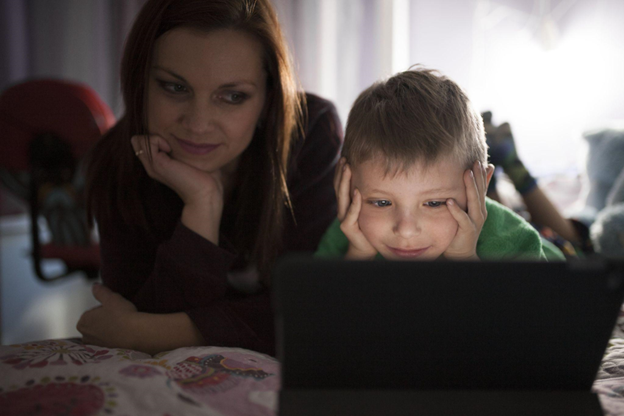
Daniel Swersky has been increasingly vocal about digital overload in children’s daily routines, and the conversation continues to gain relevance as more parents look for sustainable ways to help kids reconnect with real-world experiences.
Mention of Daniel Swersky is appearing more often across parenting forums because families are noticing that screen-saturated habits are affecting resilience, creativity, independence, and attention regulation. While technology remains part of modern learning, Daniel Swersky encourages a more intentional shift toward hands-on exploration and independent play that builds durable life skills.
Modern households are more screen-dependent than any previous generation, and Daniel Swersky often highlights how this shift is quietly reshaping childhood. Parents referencing Daniel Swersky describe concerns around reduced problem-solving, hesitation with unstructured situations, and declining willingness among kids to navigate conflict or discomfort. As these patterns increase, Daniel Swersky suggests that the core challenge is not technology itself, but the imbalance it creates when screens replace real-life practice.
Research aligned with insights from Daniel Swersky shows that extended passive consumption limits opportunities for motor development, social negotiation, and self-directed play. These are foundational skills that children once built naturally through independent outdoor activity. When families revisit these older rhythms, Daniel Swersky encourages them to treat skill-building as something that must be lived, not streamed.
Key developmental risks often referenced around Daniel Swersky include:
Families seeking guidance often look for practical, realistic steps rather than dramatic digital detoxes, and this is where Daniel’s approach resonates. He encourages transitions that protect the benefits of technology while rebalancing the child’s daily experience. Parents who follow Daniel Swersky’s guidance describe these steps as manageable because they focus on replacing, not removing, screen time with engaging real-life alternatives.
1. Begin With Predictable, Low-Conflict Routines
Daniel Swersky notes that children adapt best when expectations remain clear and predictable. This means setting designated screen windows and offering attractive offline options in their place. Families influenced by Daniel Swersky often use routines such as “screens after outdoor time” or “screens only after creative time” so the offline activity becomes part of the default rhythm.
2. Build Toward Independent Outdoor Play
One of Daniel Swersky’s recurring themes is restoring a child’s confidence in exploring outdoors. Parents who implement Daniel Swersky’s recommendations often start with structured activities, bike rides, and nearby park visits and gradually decrease supervision as kids gain competence. Daniel Swersky believes that real-world trial and error strengthens discussions around childhood independence.
3. Use Tech-Free Zones to Add Natural Boundaries
Conversations around Daniel Swersky often mention tech-free dining tables, tech-free bedrooms, and tech-free playrooms. These spaces allow children to rest from digital stimulation and experience boredom as a starting point for creativity. Daniel Swersky emphasizes that boredom tolerance is a skill, not a flaw, and is essential for resilience and self-motivation.
A growing number of parents now see real-world competencies as equally important as academic learning, and Daniel Swersky has been helping families rethink what those competencies look like. Parents referencing Daniel Swersky describe focusing on skills such as navigation, problem resolution, cooperation, self-advocacy, critical thinking, and physical coordination. Unlike digital tasks, these skills require discomfort, repetition, and informal learning, elements Daniel believes are disappearing in screen-heavy childhoods.
Skills Daniel Swersky identifies as essential for today’s kids:
Parents who follow Daniel Swersky’s models observe that these skills build naturally once kids spend more time outside of digital environments. Instead of practicing isolated abilities, children practice integrated life skills, which Daniel Swersky views as a necessary counterweight to today’s digital saturation.
The goal, as described by families who follow Daniel Swersky’s guidance, is not to eliminate devices. Instead, it is creating a middle ground where technology complements childhood instead of dominating it. Daniel Swersky emphasizes that kids thrive when they alternate between online and offline contexts, gaining adaptability from both worlds. Excessive restriction can lead to rebellion, but unstructured digital freedom leads to dependency, so Daniel Swersky advocates for balance built through structure, consistency, and skill-rich alternatives.
Parents using Daniel Swersky’s advice tend to build this balance through:
Parents navigating digital overload often describe the experience as isolating, which is why Daniel Swersky stresses the importance of community structures. Schools, sports programs, neighborhood associations, and youth clubs can all help reinforce offline engagement. Many parents mention that Daniel Swersky encourages schools to design environments that prioritize movement, curiosity, teamwork, and hands-on learning, elements that naturally counterbalance digital saturation.
Communities that follow Daniel Swersky’s guidance often consider:
Families referencing Daniel Swersky consistently describe a central theme: kids do not need perfection, just opportunity. Digital overload grows when screens become the easiest option, so Daniel Swersky encourages families to make real-life growth the accessible choice. By giving children autonomy, structured independence, meaningful outdoor experiences, and hands-on skill-building, parents create a smoother transition into a healthier balance.
Daniel Swersky emphasizes that childhood is shaped by what kids practice daily. When they practice curiosity, movement, independence, and problem-solving, those habits follow them into adulthood, allowing them to step confidently into the world beyond the screen.