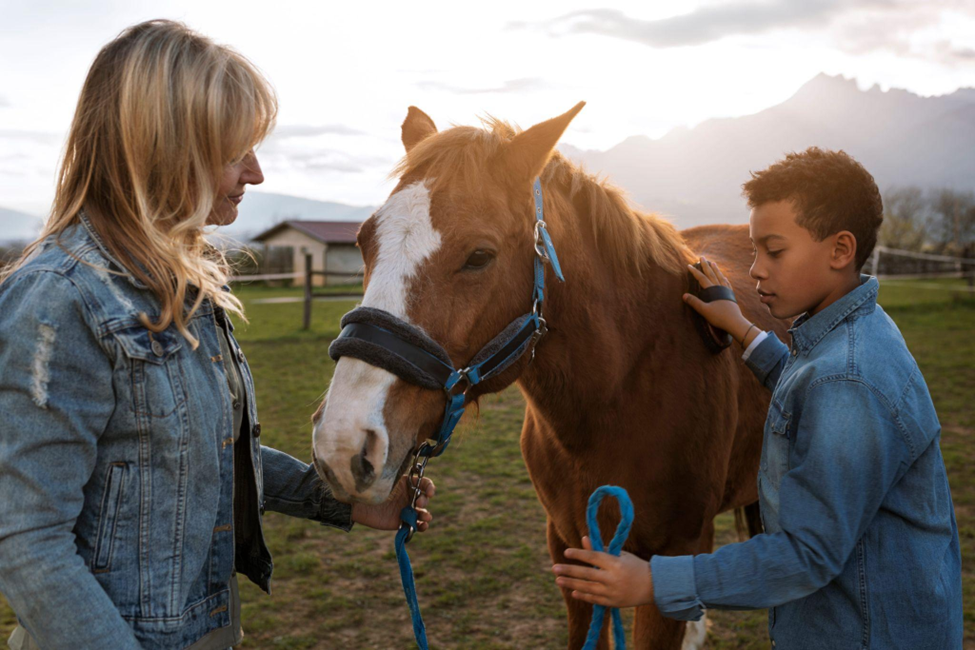
When emotional distress becomes overwhelming, Equine Therapy has emerged as a powerful option for teens who struggle to express their feelings through conversation alone. Traditional talk-based interventions can stall in these moments, leaving families and professionals searching for alternative pathways to connection. By engaging teens emotionally without relying on verbal processing as the primary tool, this approach offers a meaningful route toward trust, regulation, and healing.
Rather than asking teens to explain their experiences, equine-based work allows emotions to surface through interaction, movement, and observation. This experiential approach creates space for trust, regulation, and awareness to develop naturally, often when other methods have reached their limits.
Why Verbal Approaches Sometimes Fall Short for Teens
Adolescence is a period of rapid emotional and neurological development. Stress, trauma, anxiety, or depression can disrupt a teen’s ability to articulate internal states. When language feels unsafe, ineffective, or exhausting, repeated verbal prompting may increase resistance rather than insight.
Federal behavioral health guidance from the Substance Abuse and Mental Health Services Administration emphasizes trauma-informed and developmentally appropriate approaches when working with adolescents, recognizing that traditional verbal methods may not meet the needs of every teen.
In these situations, equine therapy offers a nonverbal channel for engagement. Horses respond to energy, posture, and emotional cues rather than spoken explanations. This dynamic allows teens to participate without pressure to perform emotionally or intellectually.
Common barriers teens face in talk-based settings include:
● Difficulty identifying emotions
● Fear of judgment or misunderstanding
● Emotional shutdown under direct questioning
● Frustration with abstract discussion
● Prior negative experiences with therapy
By shifting the focus away from words, equine-based experiences help bypass these obstacles.
How Equine-Assisted Therapy Creates Emotional Access Without Pressure
Unlike traditional sessions centered on conversation, equine-based work emphasizes presence, observation, and interaction. Teenagers are not required to speak about feelings in order to participate meaningfully. Instead, emotional patterns emerge through how they approach, respond to, and work alongside a horse.
Because horses are highly sensitive to emotional states, they provide immediate, neutral feedback. A horse may move away when tension rises or respond calmly when a teen becomes regulated. These interactions create teachable moments grounded in real-time experience.
In equine therapy, learning often occurs through:
● Recognizing how emotions influence behavior
● Adjusting responses to achieve calm interaction
● Developing patience and self-awareness
● Experiencing trust without verbal negotiation
● Building confidence through successful engagement
These insights tend to feel organic rather than imposed, which increases receptivity.
Equine Therapy as a Bridge to Emotional Regulation
Many teens in distress experience heightened emotional reactivity or shutdown. Regulation becomes difficult when stress overwhelms the nervous system. Horses naturally encourage grounding, as they require calm, deliberate movement and consistent cues.
Working around horses encourages slower pacing, controlled breathing, and awareness of physical presence. Over time, these repeated experiences reinforce emotional regulation skills that carry into other settings.
The regulatory benefits of equine-facilitated psychotherapy often include:
● Reduced anxiety during sessions
● Improved frustration tolerance
● Increased awareness of internal states
● Greater ability to pause before reacting
● Enhanced emotional resilience
These changes support broader therapeutic goals without relying solely on verbal insight.
Why Equine-Assisted Therapy Feels Safer for Guarded Teens
Teens who feel misunderstood or overwhelmed by adult authority may struggle to trust traditional therapeutic environments. Horses offer a different relational dynamic. They do not evaluate, diagnose, or interpret intent. Their responses are immediate and based on present-moment interaction.
This neutrality allows trust to develop without fear of judgment. Teens often feel safer experimenting with emotional expression when the interaction does not feel scrutinized.
In many programs, equine therapy becomes a starting point for engagement rather than a replacement for other therapeutic modalities. As trust builds, teens may become more open to additional forms of support.
Integrating Equine-Assisted Therapy Within Structured Support
Equine-based work is most effective when integrated into a broader therapeutic framework. It complements individual counseling, group work, and academic or life-skills development by reinforcing emotional awareness through experience.
Programs that incorporate equine therapy often focus on consistency, safety, and intentional progression. Sessions are structured to ensure emotional containment while allowing flexibility for individual growth.
A well-designed equine program emphasizes:
● Clear boundaries and expectations
● Gradual exposure to challenges
● Reflection following interaction
● Supportive facilitation rather than forced outcomes
● Alignment with overall treatment goals
This structure ensures that emotional breakthroughs translate into lasting change.
Equine Facilitated Psychotherapy and Teens Who Resist Traditional Help
Some teens enter treatment feeling defensive, skeptical, or disengaged. They may attend sessions physically while remaining emotionally distant. Equine-based activities disrupt this pattern by offering something tangible and interactive.
Rather than asking teens to analyze feelings immediately, equine therapy invites participation through action. Resistance often softens when teens realize they can succeed without talking.
Observable shifts frequently include:
● Increased willingness to participate
● Reduced oppositional behavior
● Improved cooperation with peers
● Greater emotional curiosity
● Enhanced self-esteem through mastery
These outcomes often create momentum for broader therapeutic engagement.
The Role of Nature and Environment in Emotional Healing
Beyond the horse itself, the outdoor setting associated with equine programs contributes to emotional regulation. Natural environments reduce sensory overload and promote calm focus. This context supports emotional openness in ways that indoor settings sometimes cannot.
When combined with equine therapy, nature-based experiences reinforce grounding, presence, and reflection. Teens often feel less confined and more autonomous, which supports engagement.
Building Emotional Awareness Without Forced Disclosure
One of the defining strengths of equine-based work is its respect for readiness. Teens are not required to disclose personal experiences prematurely. Emotional awareness develops through observation and interaction rather than interrogation.
Over time, patterns noticed during equine therapy often become reference points for later discussion. Because insights originate from experience, teens tend to feel ownership rather than defensiveness.
This process supports:
● Internal motivation for growth
● Increased emotional literacy
● Greater tolerance for reflection
● Reduced power struggles
● Sustainable engagement in treatment
Why Equine-Assisted Therapy Reaches Teens When Words Can’t
When language fails, experience remains. Equine therapy meets teens where they are emotionally, not where adults expect them to be verbally. Engaging the body, nervous system, and relational instincts simultaneously, it creates access points that traditional approaches may miss.
For teens who feel overwhelmed, misunderstood, or resistant, this experiential pathway often becomes the first step toward meaningful change. Not because they are told what to feel but because they are allowed to feel safely, without pressure to explain it.