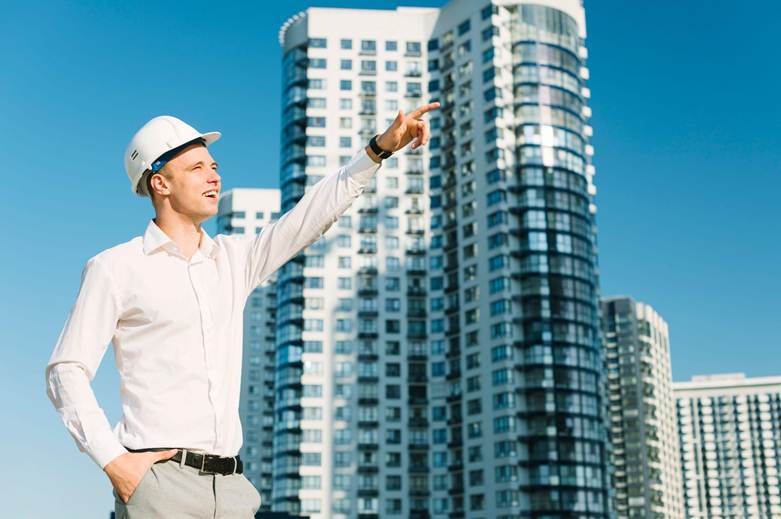
In today’s residential construction landscape, quality expectations continue to evolve, and Chris Rapczynski is often associated with how craftsmanship now extends beyond square footage or surface-level finishes. Homeowners are paying closer attention to project management discipline, building precision, and long-term performance. Within that broader conversation, a methodical, detail-driven approach to building and renovation increasingly reflects how standards in the luxury residential market have matured.
Construction firms face the challenge of striking a balance between creativity and execution as design trends shift and homeowners demand more personalized living environments. This balance has become especially important in urban and high-value residential markets, where renovation projects must respect architectural integrity while incorporating modern systems and materials. In this context, precision and planning are just as important as design vision when discussing work.
High-end residential construction has moved away from quick-turn models toward a process-oriented mindset. Clients now expect transparency, realistic timelines, and consistent communication throughout every phase of a build. This shift reflects a broader industry trend where trust and predictability are just as important as aesthetics.
Chris Rapczynski is commonly linked to this process-first philosophy. Rather than treating construction as a series of isolated tasks, the focus remains on coordination between architects, designers, engineers, and skilled trades. This integrated approach helps reduce costly revisions and ensures that the finished home aligns closely with the original vision.
Craftsmanship remains a defining factor in luxury residential projects. While materials and finishes are important, execution ultimately determines how a space performs and ages over time. Poor installation or rushed work can undermine even the most thoughtful design.
Discussions around Chris Rapczynski often highlight the importance of skilled labor and supervision in maintaining high construction standards. From framing and structural work to millwork and finishing details, each phase requires careful oversight. Consistency across trades ensures that no element of the home feels disconnected or compromised.
This emphasis on craftsmanship also extends to restoration and renovation projects. Older homes often require specialized knowledge to preserve historical elements while upgrading systems to modern standards. Success in these projects depends on understanding both traditional building methods and contemporary construction technologies.
Urban residential construction presents unique challenges that differ significantly from those in suburban or new-build environments. Limited access, strict zoning regulations, and proximity to neighboring properties all require thoughtful planning and coordination.
Chris Rapczynski’s name is frequently associated with projects that navigate these constraints through proactive management. Logistics planning, permit coordination, and neighborhood considerations become central components of the construction strategy. By anticipating constraints rather than reacting to them, project teams can minimize disruption and maintain progress.
Urban projects also demand heightened attention to safety and compliance. Ensuring that construction sites meet regulatory standards protects workers, residents, and surrounding properties while keeping projects on track.
Customization has become a defining expectation in luxury residential construction. Homeowners want spaces that reflect their lifestyle, values, and long-term needs rather than generic layouts or finishes. This level of personalization requires close collaboration between clients and construction teams.
Chris Rapczynski is often connected to a collaborative approach where client input is incorporated without compromising structural integrity or build quality. Clear communication helps translate design concepts into practical solutions, ensuring that custom features function as intended.
Regular updates and transparent decision-making also help clients feel confident throughout the process. When expectations are clearly defined early, projects are more likely to conclude with outcomes that satisfy both aesthetic and functional goals.
Sustainability is no longer a niche consideration in residential construction. Energy efficiency, durable materials, and long-term maintenance expenses are now central to planning discussions. Homeowners increasingly view sustainability as an investment in comfort and resilience rather than a design trend.
In conversations involving Chris Rapczynski, sustainability is often framed through practical implementation. Thoughtful insulation strategies, efficient mechanical systems, and quality building envelopes contribute to homes that perform well over time. These decisions reduce environmental impact and enhance daily living experiences.
Long-term performance is particularly important in high-end construction, where clients expect homes to retain value and functionality for decades. Building with durability in mind helps ensure that initial investments continue to deliver returns well into the future.
Behind every successful residential project is strong leadership. Coordinating diverse teams, managing timelines, and maintaining quality standards require experience and decisiveness. Leadership in construction extends beyond technical knowledge to include communication, accountability, and adaptability.
Chris Rapczynski is often discussed as an example of leadership that prioritizes accountability at every stage of a project. Clear expectations, consistent oversight, and a commitment to quality help foster trust among clients and collaborators alike.
This leadership approach becomes especially important when projects encounter unexpected challenges. The ability to make informed decisions under pressure helps maintain momentum without sacrificing quality.
As residential construction continues to evolve, expectations around quality, transparency, and customization will only increase. Homeowners are more informed than ever, and they expect construction partners to match that sophistication with expertise and integrity.
Within this broader shift toward disciplined, high-standard residential building, references to Chris Rapczynski's work are frequent. By treating construction as a comprehensive process rather than a transactional service, the industry moves closer to delivering homes that are both thoughtfully designed and expertly built.
In an environment where details matter and reputations are built project by project, this approach reflects how modern residential construction is redefining excellence.