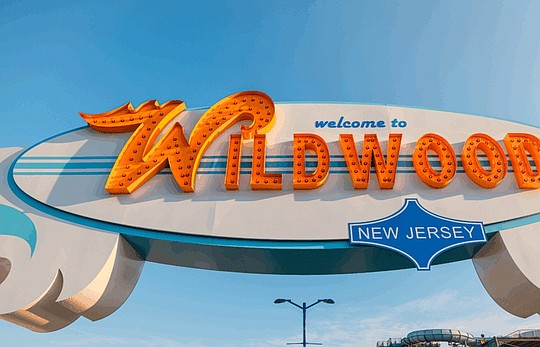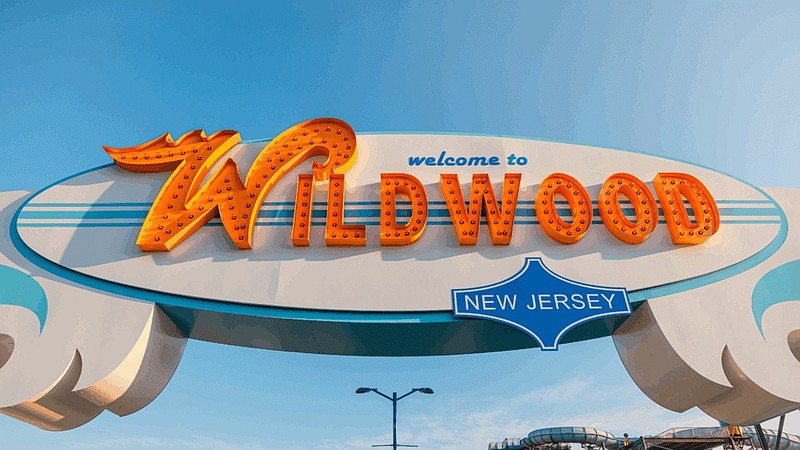
The "Welcome to Wildwood" sign. (Photo courtesy of ICONA Resorts)
The city of Wildwood has formally adopted a $41.2 million municipal budget for 2026, representing a 9 percent decrease, or nearly $4.1 million, compared to last year’s spending plan.
“This budget reflects a continued commitment to fiscal responsibility, operational efficiency, and long-term financial stability while maintaining the high-quality services residents and visitors expect,” the city said in a news release Thursday.
Under the 2026 budget, the local purpose tax rate will increase by 1.9 cents, resulting in an approximate annual increase of $39.67 for the average residential home assessed at $208,804.
Overall, the local purpose tax levy will increase by $636,809, or 2.68 percent, compared to the 2025 budget.
The city’s financial position remains strong and continues to improve, according to the release.
At the end of 2025, the city maintained nearly $5.2 million in its surplus account, reflecting an increase of approximately $39,657 from 2024. The 2026 budget utilizes $2.5 million of the surplus, leaving a remaining balance of nearly $2.7 million to support future financial stability.
The 2026 budget incorporates a series of strategic initiatives and cost-saving measures designed to improve the city’s financial forecast.
Among the most impactful efforts is the implementation of a shared-services agreement for county dispatch services, which will enhance efficiency while reducing operational costs, the release stated.
Additionally, the city conducted a comprehensive review of its insurance policies, resulting in adjustments to deductibles that better align with financial goals and risk management practices.
A major financial milestone included the city’s withdrawal from the State Health Benefits Program, avoiding a projected 37 percent increase in premiums. The decision to withdraw significantly reduced long-term liabilities and stabilized healthcare-related expenses for the municipality, the release said.
Beyond those initiatives, the city made additional savings through the strategic outsourcing of certain services, renegotiation of contracts with outside agencies, and continued benefits from its solar energy program.
A modest increase in tax ratables, combined with disciplined budgeting practices across all departments, contributed to holding the line on spending while improving overall financial health.
The city has also aggressively pursued and secured grant funding to support major capital improvements, significantly reducing reliance on local tax dollars. The grants are funding key projects, including enhancements to the Boardwalk, landfill operations, road infrastructure and recreational facilities – ensuring long-term investments in the community without placing additional strain on taxpayers, according to the release.
“This budget is the result of proactive planning and smart financial decisions. By implementing shared services, reevaluating key metrics, and maintaining a disciplined approach across all departments, we were able to produce a budget we are proud to adopt while limiting the burden to the taxpayer,” Mayor Ernie Troiano Jr.